Food Waste Prevention • 4 min read • Sep 28, 2026, 7:34:45 PM • Written by: Leo Artola
What happens when a grocery store has more food than it can sell? With the right connections, much of that food can still be put to good use.
That idea has been part of Food Bank of Alaska’s work since 1979. During Food Waste Prevention Week, September 28-October 4, we’re looking at how food moves from businesses to our partner network and sharing a few ways to make the most of food at home.
Why good food becomes surplus 🍅🌽🍞
Surplus doesn’t mean spoiled. Across the food industry, businesses may have more of a product than they can sell, seasonal items may be leaving shelves, or products may be approaching a quality date. Donating suitable food gives it another route to people’s tables.
In 2025, Food Bank of Alaska recovered 4.4 million pounds of food through retail and wholesale partnerships. Food donors include Costco, Walmart, Charlie’s Produce, Fred Meyer, Carrs/Safeway, and Target.
The food didn’t lose its value because a business couldn’t sell it. Recovering it helps supply the partner agencies that connect Alaskans with groceries in their own communities.
What it takes to put that food to use
Food rescue begins while surplus food can still be used. Food businesses set it aside, and Food Bank of Alaska and its partner agencies coordinate pickups. Perishable food needs timely transportation and proper cold storage.
At Food Bank of Alaska, sort room volunteers review donated food item by item. They separate food we can distribute from opened items, severely dented cans, and food past its best-by date. Under our partnership agreement with Feeding America, we do not distribute food past its best-by date through our network.
Food that cannot go to a pantry may still have a purpose. When suitable for animal feed, it goes to local livestock farms instead of the landfill.
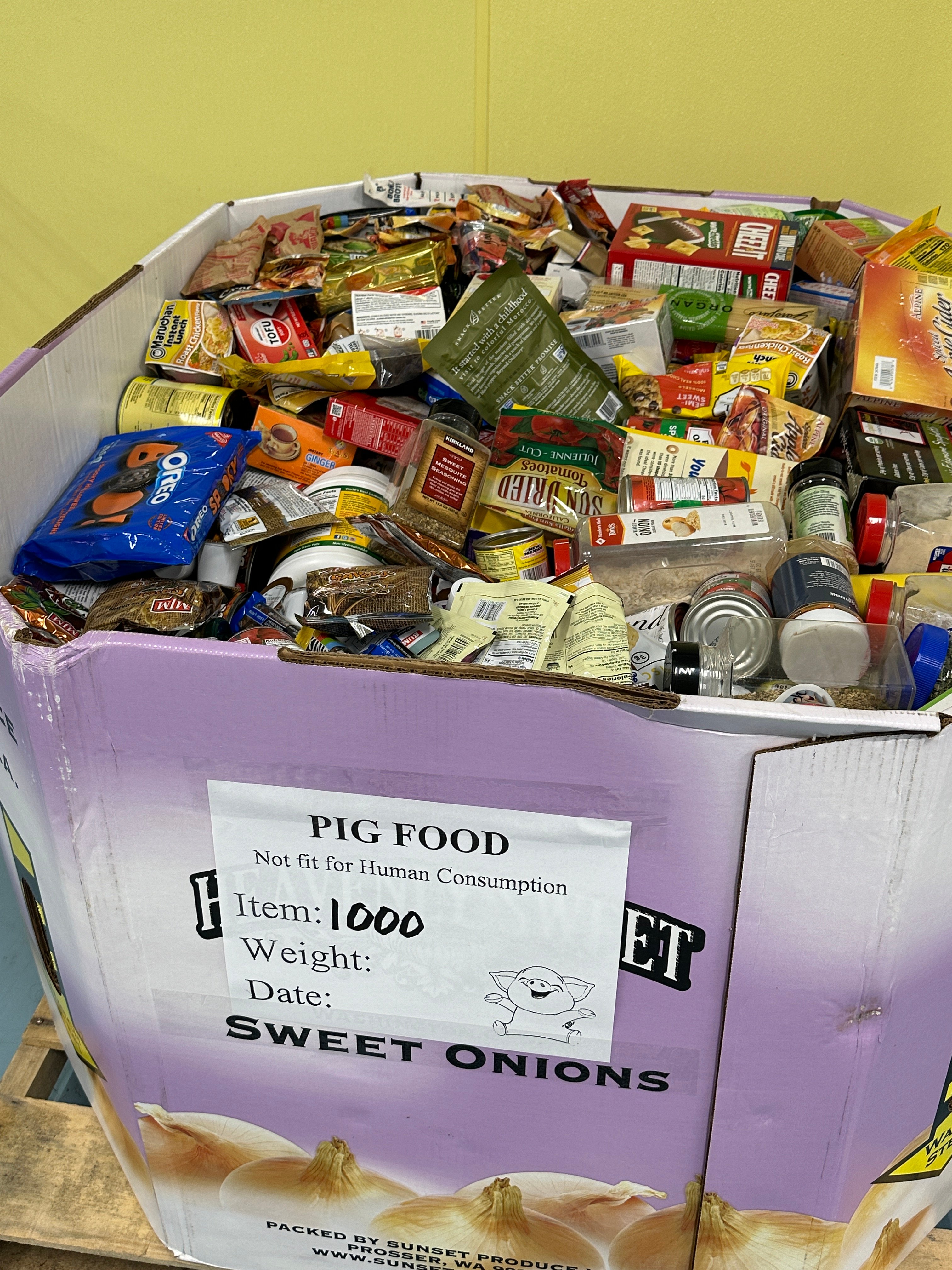 Our sort room volunteers inspect every donated item. Opened packages, severely dented cans, and food past its best-by date cannot go through our partner network, but food suitable for animal feed can still have a use at local livestock farms.
A best-by date generally describes when a food will be at its best quality. Our distribution cutoff is an organizational standard, not a claim that the date alone tells you whether food in your kitchen is safe to eat. For questions about a specific food, check its storage guidance and handling history. The FoodKeeper app can help with recommended storage times.
If your business has surplus food, visit our food donation page or contact Leo Artola to talk about donation options.
A few ways to use more of the food you bring home
Whether your groceries came from a store or a pantry, a useful food-saving habit should fit the kitchen and schedule you have. You may already have one that works.
Here are a few more to try:
Look before you plan
Before deciding what to cook next, check which foods need to be used soon. Let one of those ingredients help choose the meal.
Make an “eat first” spot
Keep prepared food that needs to be used soon visible in the refrigerator, separate from raw meat. Label leftovers with the date you made them so you know when to use them. Most cooked leftovers keep for three to four days in a refrigerator at 40 degrees Fahrenheit or below; see FoodSafety.gov’s storage chart for specific foods.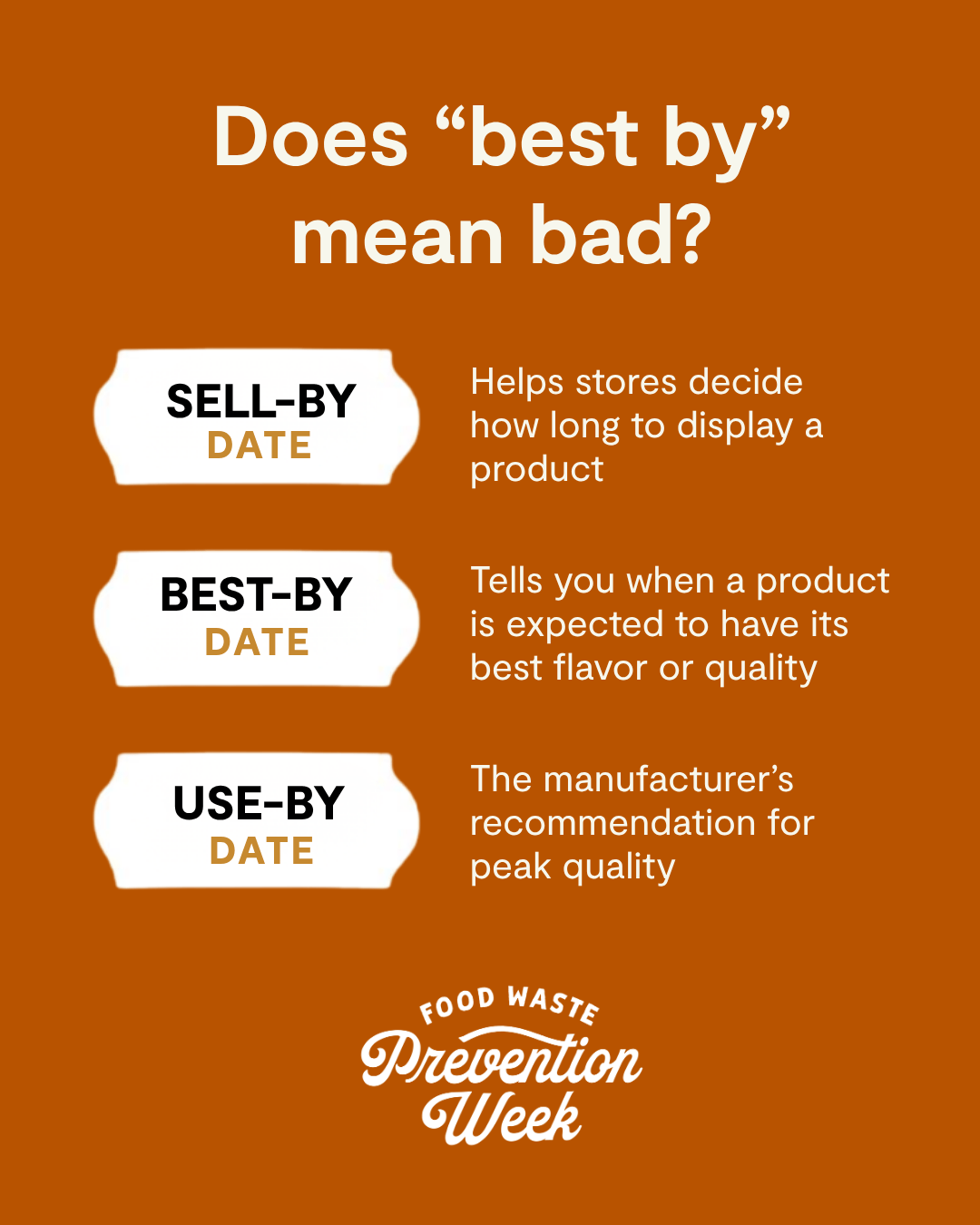
Give extra food a plan
Freeze part of a loaf of bread or an extra serving before it spoils, if you have freezer space. A smaller purchase or a plan to share food may work better when you don’t.
The goal is one more meal made from food you already have, not to have a perfect kitchen.
This week, choose one habit that fits your life and see if it helps. And tell us: What food do you have the hardest time using up? Your answers can help us share more useful tips.
Downloads
Print off the following resources and put them on your fridge.
⬇️ Tips for Meal Planning
⬇️ Smart Shopping Guidelines
⬇️ Fall Winter Produce Storage Guidelines
⬇️ Spring Summer Produce Storage Guidelines
⬇️ Deciphering Date Labels
⬇️ Eat Me First Refrigerator Sign