Alaska Food Coalition • 4 min read • Jul 21, 2026, 12:33:03 PM • Written by: Grace Heglund-Lohman

The 2026 regular legislative session is over, but the work to protect food access in Alaska continues.
While the Alaska Legislature continues to meet for special session this summer, the second regular session of the 34th Alaska Legislature, officially concluded on May 20, 2026. Lawmakers will begin the 35th Legislature next year with a clean slate and new bills for consideration. Since the regular session ended, Governor Mike Dunleavy has signed the FY2027 state budget, along with a number of other bills, into law, codifying many of the policy decisions that will shape Alaska’s food security landscape in the coming year and beyond.
This year’s legislative session unfolded amid major conversations about education, state revenue, energy costs, health care investments, and the future of Alaska’s economy. Through it all, Food Bank of Alaska and the Alaska Food Coalition remained focused on advancing policies that support access to nutritious food for all Alaskans.
In Alaska, hunger is a chronic and persistent condition, often inflamed by acute crises such as natural disasters. Today, 1 in 6 Alaskans, including 1 in 5 children, experience food insecurity. For families, seniors, children, and communities across the state, decisions about food policy are not abstract. 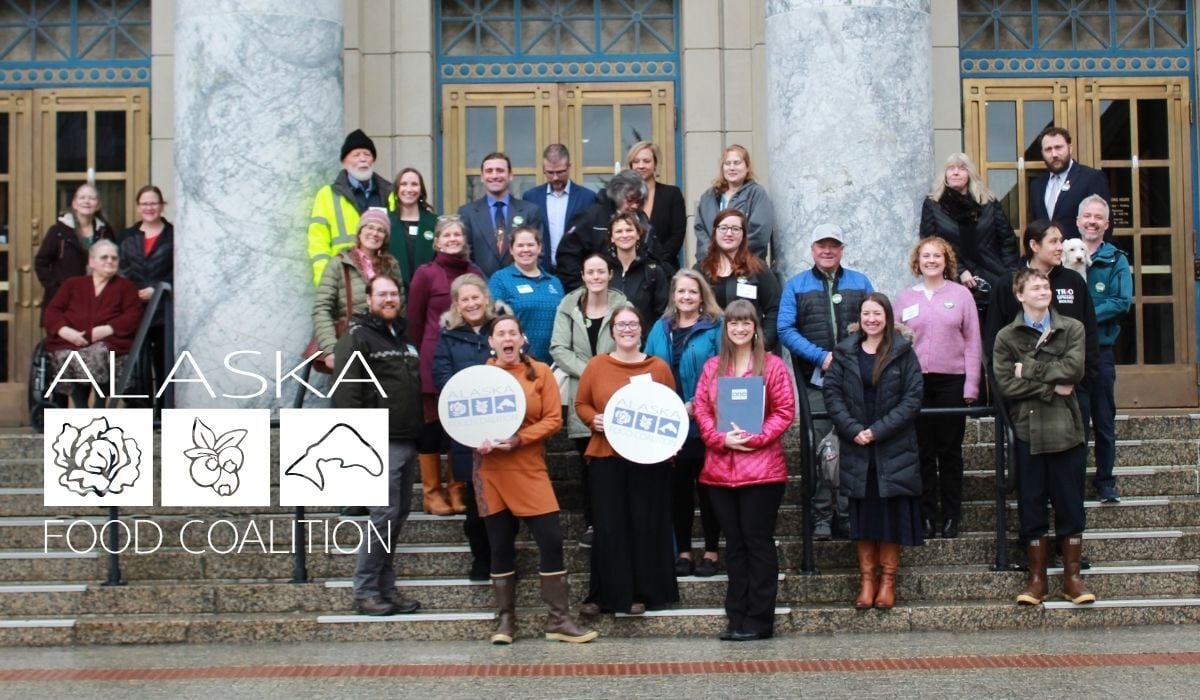
During the session, Food Bank of Alaska, the Alaska Food Coalition, and anti-hunger advocates from across the state helped keep food security at the center of the conversation. That advocacy helped secure $2 million for food banks and food pantries and $300,000 to continue the Alaska Farmers Market Association's Market Match program in the FY2027 state operating budget. Advocates also elevated key concerns and opportunities for SNAP, school nutrition, and Alaska’s anti-hunger network.
Food Security Week in Juneau
During Food Security Week in February, food system advocates from across Alaska brought a unified message to Juneau: Everybody Eats.
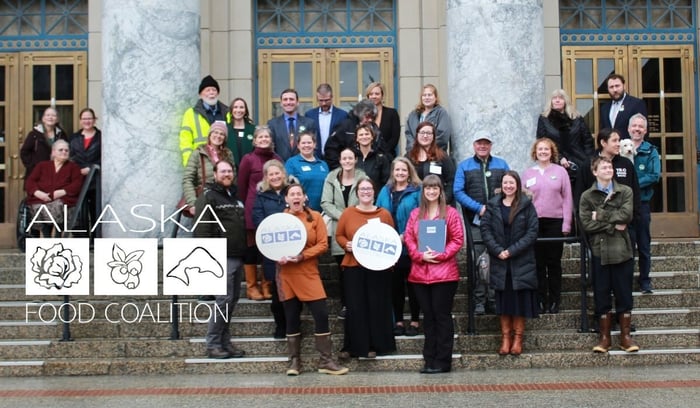
Coalition members met with legislators to share firsthand experiences, discuss policy solutions, and demonstrate why investing in food security strengthens communities across Alaska. Throughout the session, advocates carried the messages, responding to action alerts, providing testimony in committee hearings, and meeting with policymakers to elevate hunger as a statewide priority.
As we reflect on the legislative session, we're proud of what we accomplished together and the momentum this work created for food security across Alaska.
Protect SNAP
Following the passage of H.R. 1, also known as the One Big Beautiful Bill Act, federal changes to the Supplemental Nutrition Assistance Program, or SNAP, are reshaping the program nationwide. While Alaska has received temporary flexibility on some provisions, all states, including Alaska, will soon face increased administrative costs and new eligibility requirements.
Throughout the legislative session, coalition members worked to educate policymakers about what these federal changes could mean for SNAP in Alaska. Together, we highlighted SNAP's role as the state's most effective anti-hunger program, shared data demonstrating its impact on families and local economies and emphasized the importance of supporting the Division of Public Assistance as they prepare to absorb additional administrative costs, implement eligibility changes, and ensure eligible Alaskans continue to receive the benefits they qualify for.
Protecting SNAP is especially important during this period of major federal change. Investment in our state SNAP program will help ensure Alaska can implement new requirements while keeping food assistance accessible for the people who need it.
Supporting School Nutrition
School meals remain one of the most effective ways to reduce childhood hunger, improve nutrition, and support student success.
This session, legislators continued important conversations about child nutrition and food access in schools. These conversations helped build understanding of the role school meals play in both hunger relief and nutrition education. While major policy changes that promote food access at school did not advance during the 2026 sessions, the discussions helped lay groundwork for future proposals that strengthen school nutrition in Alaska.
Hungry students cannot focus, learn, or thrive. School meals are not an extra. They are part of the learning environment.
Investing in Direct Food Purchasing for Alaska's Anti-Hunger Network
A major outcome this session was the inclusion of $2 million for food banks and food pantries to address food insecurity, and $300,000 to continue the Alaska Farmers Market Association’s Market Match program, both secured in the FY2027 state operating budget.
“We are grateful to the Finance Committee co-chairs and their staff for keeping food security a priority during a demanding legislative session, and to the governor for signing this critical funding into law. This investment will help food banks and pantries across Alaska continue meeting the needs of their communities.”
- Cara Durr, Chief Executive Officer at Food Bank of Alaska
For food banks, food pantries, and community partners, this funding provides critical support at a time when the need for food assistance remains high, and the cost of serving our rural communities continues to rise.
These state dollars will help Alaska's anti-hunger network respond to rising food costs and increased demand while leveraging charitable donations and federal resources to stretch every dollar further. This investment strengthens Alaska's emergency food network and helps ensure communities across the state can continue serving neighbors experiencing hunger.
Advocacy Continues
The regular session may be over, but advocacy continues.
Throughout the interim, the Alaska Food Coalition will continue monitoring federal nutrition policy, educating policymakers, and bringing together partners from around the state to advance long-term solutions to hunger.
Thank you to every coalition member and anti-hunger partner who contacted legislators, shared your expertise, responded to action alerts, testified before legislative committees, or traveled all the way to Juneau to meet with elected officials. Your advocacy helped bring a clear, consistent message to Alaska’s leaders: Everybody Eats.
Ending hunger requires collaboration across government agencies, Tribal organizations, non-profits, businesses, schools, and community members. We need everyone at the table.