Alaska Food Coalition • Legislative Fly In • 9 min read • Feb 25, 2026, 10:44:26 AM • Written by: Grace Heglund-Lohman
 Earlier this month, Alaska Food Coalition members gathered in to Juneau for our annual meeting and legislative fly-in during Food Security Week—a time for food-system-wide collaboration and connection, and an opportunity to deliver a unified message to policymakers: Everybody Eats.
Advocates came from communities across Alaska, on and off the road system, to represent the diverse roles they play in our statewide food system. As the new Advocacy Manager for the Alaska Food Coalition, I worked with our partners from the Alaska Food Policy Council and the Alaska Farm Bureau to organize an intentional week of coordinated action. With the Legislature in session January through May, this is a key moment each year to elevate policies that shape how food is grown, harvested, distributed, and accessed in our state.
A Week of Connection and Collective Purpose
Food Security Week is packed with programming across advocacy groups, but some of the most important work happens between sessions. It happens in hallway conversations at the Capitol, strategy talks in hotel lobbies, and shared meals that strengthen relationships across Alaska’s food system.
Monday
Guest speakers from the Division of Public Assistance, Office of the Governor, Food Bank of Alaska’s Government Relations team, and the Food Research & Action Center shared updates and offered guidance to help advocates prepare for their legislative visits.
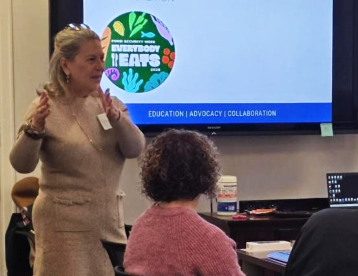
Ellen Teller, Chief Government Affairs Officer for the Food Research & Action Center (FRAC) priming advocates for how federal legislation will impact our statewide anti-hunger work.
Monday-Tuesday-Wednesday
Advocates met with legislators and their staffers in small groups to discuss our priorities and share their experience of hunger around the state.
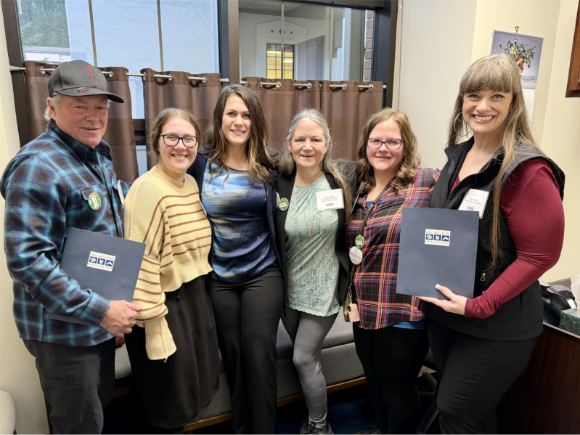
Alaska Food Coalition members with Rep. Jubilee Underwood (House District 27) in Juneau, AK.
Wednesday
We wrapped up the Coalition’s Annual Meeting with some time to debrief and plan for the year ahead. We also made space for a field trip to Southeast Alaska Food Bank to learn more about their work before heading to Appetizers with Advocates: Food Security Week’s legislative reception with our Food Security Week partners!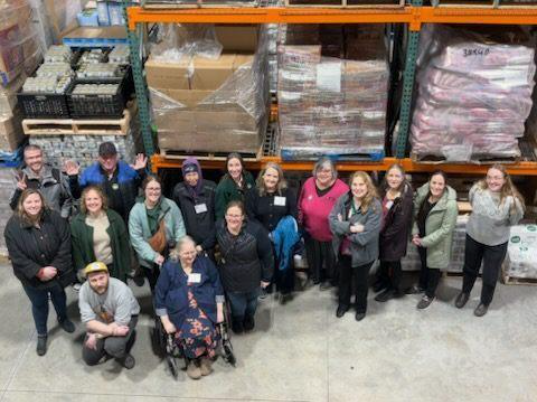 Alaska Food Coalition members tour Southeast Alaska Food Bank's new warehouse.
This year also marks 30 years of the Alaska Food Coalition. Founded in 1996 to help agencies and village councils distribute food to hungry Alaskans, the coalition has grown into a statewide anti-hunger movement. Today, our work extends well beyond emergency food distribution. Guided by public health principles, we focus on upstream factors that lead to hunger—strengthening organizational capacity, tracking data, advancing anti-hunger research, and confronting root causes so fewer Alaskans experience food insecurity in the first place.
We celebrated three decades of coalition work over dinner sponsored by the Mat-Su Food Coalition.


Gathering in Juneau allowed our network space to reflect on three decades of progress and recommit to the work still ahead. The week was a powerful reminder of what we can accomplish when we advocate together.
A Statewide Network Showing Up
Throughout the rest of Food Security Week, the Capitol was filled with advocates from across Alaska’s food system, including Food Bank of Alaska, Alaska Farmers Market Association, Alaska Farm Bureau, Alaska Farmland Trust, UAF’s Institute of Agriculture, Alaska Mariculture Alliance, and more.
At our joint Legislative Reception, advocates, lawmakers and staff connected directly to discuss real solutions to food insecurity.
Food policy is complex. Our role is not. We bring community voices straight to the people shaping the laws that affect how Alaskans eat.
Why We Advocate
One in seven Alaskans and nearly one in five children experience food insecurity, according to Feeding America’s s Map the Meal Gap. Because stigma often keeps those most affected by hunger from speaking out, advocacy is essential. The Alaska Food Coalition includes food banks and pantries, village councils, farmers, Tribal organizations, emergency responders, SNAP advocates, and community members who share a common goal: ensuring every Alaskans has enough to eat.
Most days, our members are dedicated to serving their neighbors. Food Security Week provides dedicated time to step back, connect, and turn good policy ideas into action. It also allows us to show lawmakers that strong nutrition policies have real, measurable impacts on the health and wellbeing of our communities.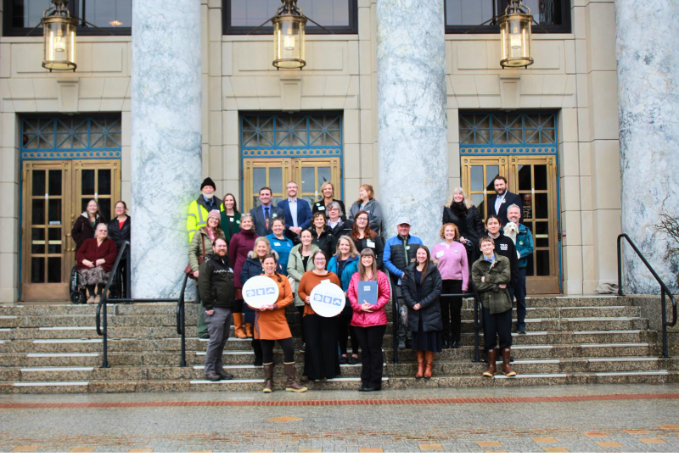
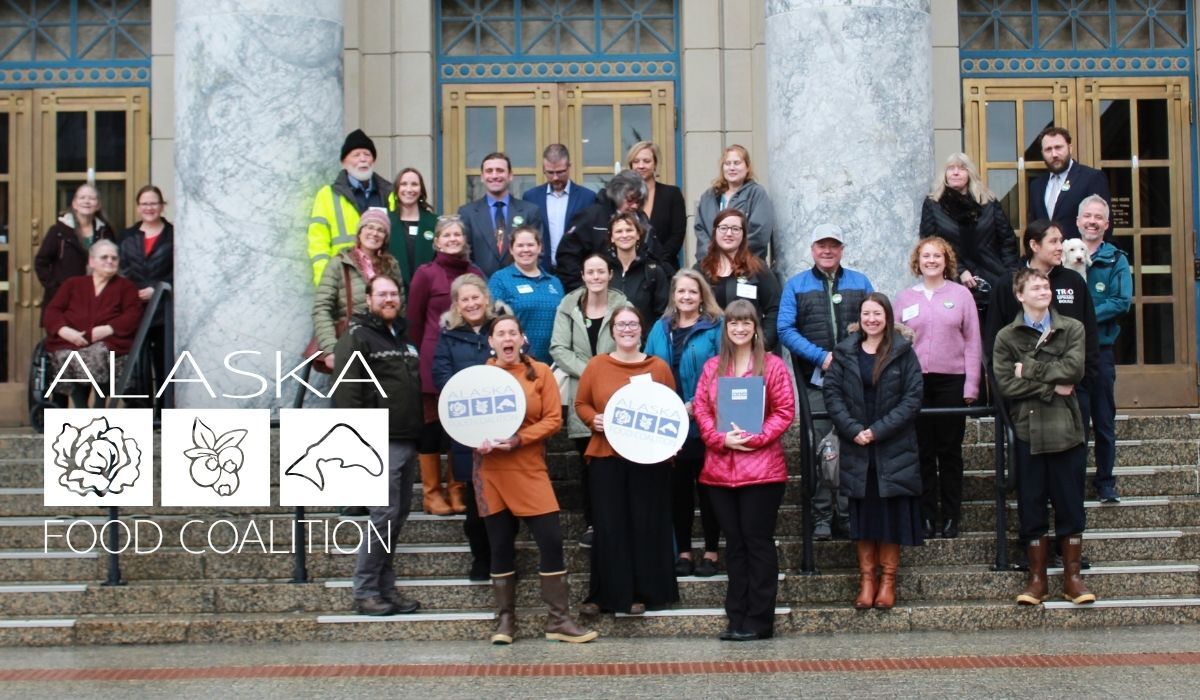
Members of the Alaska Food Coalition on the steps of the State Capitol in Juneau, Alaska.
Our 2026 Legislative Priorities
Hunger remains a persistent and costly challenge, especially in rural Alaska where food insecurity can affect as many as one in four people. Food on the table is foundational infrastructure. These priorities reflect that belief.
1) Protect SNAP
The Supplemental Nutrition Assistance Program (SNAP) is Alaska’s most effective anti-hunger program, serving nearly 70,000 Alaskans. Changes enacted at the federal level in July 2025 altered eligibility, increased reporting requirements, and shifted new program costs to states for the first time in history. While food banks and community partners provide essential services, we cannot replace federal nutrition programs.
Advocates also support the Alaska Farmers Market Association’s capital request for $750,000 over five years to continue the Market Match program, which helps SNAP recipients double their dollars on Alaska Grown foods. This small investment yields significant returns, making fresh, local food more accessible while supporting Alaska’s food producers.
2) Fund school nutrition
Research shows that students with reliable access to nutritious meals perform better academically, attend school more consistently, and experience long-term health benefits. Advocates are asking legislators to support legislation that streamlines school meal programs for nutrition staff and ensures all students have access to food throughout the school day.
3) Support direct food purchasing for Alaska’s anti-hunger network
In 2025, Alaska’s anti-hunger network saw unprecedented demand for emergency food. The aftermath of Typhoon Halong in Western Alaska coincided with a gap in SNAP benefits during the longest federal government shutdown in U.S. history. This combination placed extraordinary strain on our anti-hunger network and underscored the need for predictable funding for direct food purchasing to meet the need.
As weather-related and economic crises become more frequent, the need to stay ready to respond becomes increasingly important.
Looking Ahead
If these priorities align with your vision for Alaska’s food system, we invite you to join us. Stay engaged throughout the legislative session by joining monthly coalition calls and signing up for advocacy alerts.
Register or renew your Alaska Food Coalition membership today and be part of the movement to ensure that Everybody Eats.