Freight and Transportation • 4 min read • Sep 3, 2026, 10:50:18 PM • Written by: Daniel Bentle
When people think about hunger, they often think about the cost of food. But in Alaska, there is another cost that is just as significant: getting food where it needs to go.
Food insecurity in Alaska is rising
This summer, Feeding America released its latest Map the Meal Gap study, a nationwide assessment of food insecurity. The results are sobering, especially for Alaska.
Nationally, 14.4% of Americans, or approximately 47.9 million people, are experiencing food insecurity. Here in Alaska, that number climbs to 15.6%, representing more than 115,000 Alaskans, including one in five children.
To put that in perspective, at the height of the pandemic in 2020, Alaska's food insecurity rate stood at 10.8%. The latest data represents a dramatic increase and the highest rate of food insecurity nationally since 2008-2009.
What is even more concerning is that these figures reflect conditions in 2024. They do not account for the economic pressures of the past two years, including continued inflation, rising fuel costs, the impacts of Typhoon Halong, or the extended government shutdown that disrupted SNAP benefits for many Alaskans last fall.
For Alaska, geography has always shaped the fight against hunger. Today, it is also one of the primary reasons food insecurity in Alaska continues to rise.
Alaska’s geography drives food costs
Most Alaskans experience higher grocery prices than those in the Lower 48, but in many rural communities, the difference is staggering. Last September, for example, a gallon of milk in Kotzebue was priced at $12.67.
Those prices reflect more than the cost of groceries. They reflect the cost of transportation. 
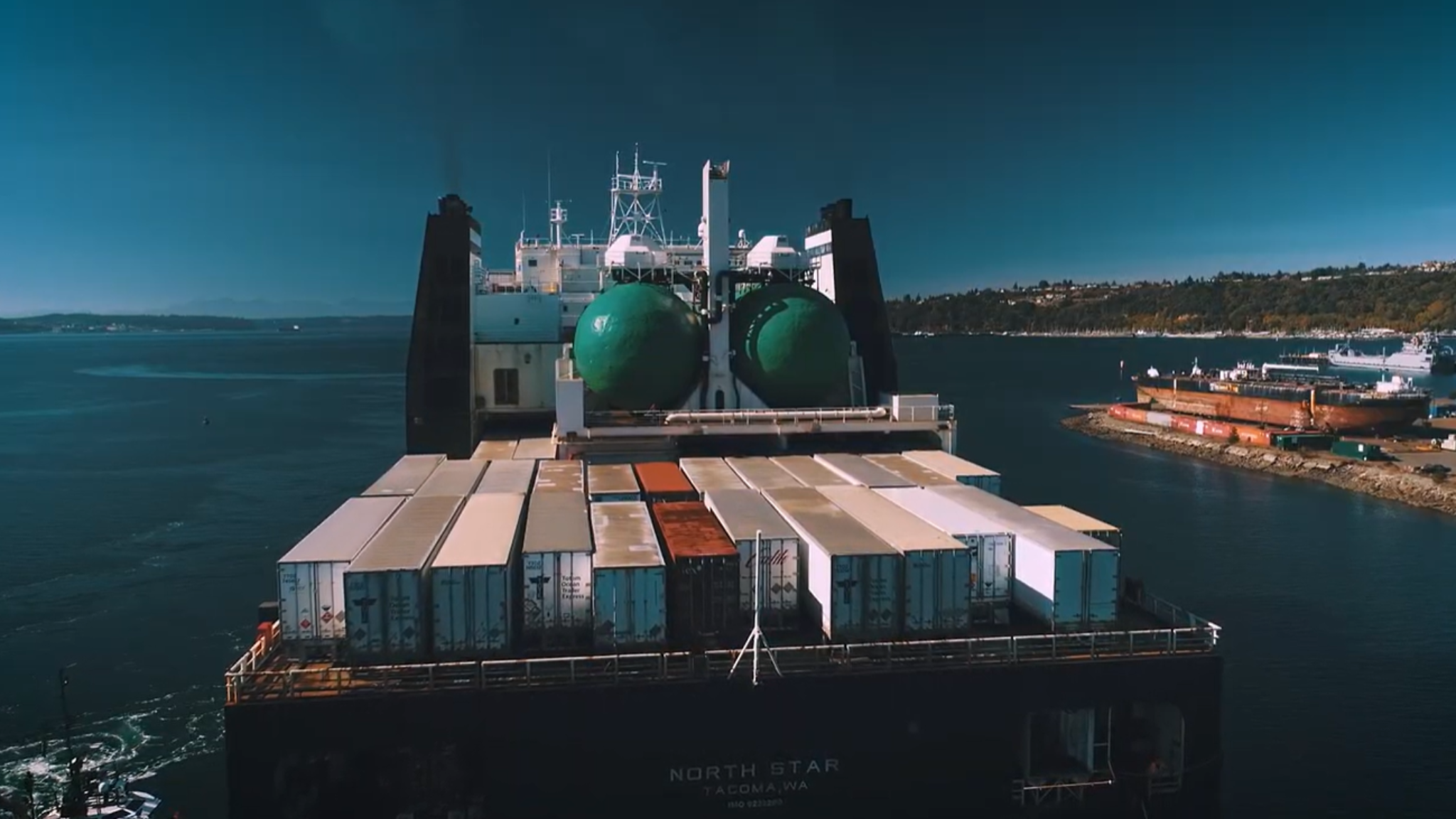
Moving food across Alaska is complex. Communities are separated by thousands of miles, with many accessible only by air or barge. Every additional mile adds cost, and fuel prices amplify those expenses.
Freight is not a side expense
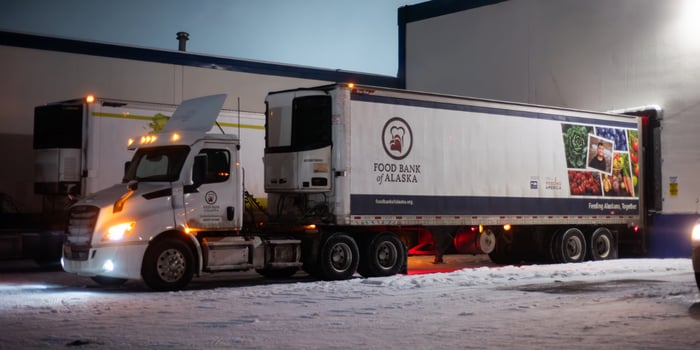
During the response to Typhoon Halong last October, Food Bank of Alaska shipped three containers of food valued at approximately $40,000, with each container holding enough food to provide roughly 27,500 meals, to Anchorage. Getting just one of those containers to Western Alaska costs approximately $16,000 in freight alone.
That is the reality of fighting hunger in Alaska. Freight is not a side expense. It is a fundamental part of the cost of feeding our neighbors, and these transportation challenges affect Food Bank of Alaska every day.
Food banks are purchasing more food
Contributing to the challenges we face in feeding our communities, food banks nationally are seeing an overall decline in donated food. Ass manufacturers and retailers continue to gain efficiencies in inventory management, there is less of the surplus that has historically made it’s way to support food banks like ours. As donated food becomes less available, food banks are faced with the need to purchase a growing portion of the food they distribute.
Just three years ago, Food Bank of Alaska purchased roughly 10% of the food we distributed. Today, that figure has doubled to an estimated 20% of our annual distribution.
At the same time, the cost of purchasing and transporting food continues to rise.
Every donated dollar must stretch further
For years, Food Bank of Alaska has been able to provide approximately two meals for every dollar donated. That extraordinary purchasing power has been made possible through food donated by our community and industry partners, the generous in-kind transportation support provided by organizations such as Matson and TOTE, thousands of volunteer hours, and our partnership with Feeding America.
As food donations decline and transportation and food costs continue to increase, stretching every donated dollar has become more challenging than ever.
Even so, every contribution continues to go remarkably far thanks to the committed support of our donors, volunteers, and in-kind partners.
Our purchasing partnerships also allow us to buy food at prices that would be impossible for most households. Through our Feeding America relationships, we can purchase a can of tomato soup for approximately $0.73, less than half of what many Alaskans would pay at the grocery store. A can of chili averages about $1.17 through our purchasing network, compared to roughly $4.50 for a brand name on local store shelves.
That buying power matters because financial contributions allow us to respond strategically, purchasing the foods most needed and directing them to the communities where they can make the greatest impact.
Every donated dollar must stretch further
Thanks to the generosity of our supporters, volunteers, transportation partners, and agency network, Food Bank of Alaska distributed 10.1 million pounds of food last year, a 20% increase over the 7.9 million pounds distributed in 2024.
Behind every pound of food is a complex logistics network working across one of the most challenging transportation environments in the country. Behind every meal is a community of people committed to ensuring that no Alaskan goes hungry because of where they live.
Your support helps Food Bank of Alaska respond wherever the need is greatest, purchasing the foods most needed and helping them reach families across Alaska.